Skip to content
    1775155110544
    Home > Academics > Majors > Political science

    PoliticAL SCIENCE

    The mission of the Political Science Department at Morehouse College is to develop men who will create policies and practices that improve the lived conditions of African people. We do this by fostering students’ interest in politics, arming students with the analytical tools to understand the nature of public life and policy, and enhancing students’ ability to learn.

    Program at a Glance

    Get ready to lead the citizenry.

    Department
    Students study systems of government, political theory, and the intersection of politics with race and culture. Students learn to analyze local, national, and international government systems and prepare to become engaged and active citizens.
    Learn More
    Bachelor of Arts in Political Science
    To graduate with a major in political science, a student must complete 40 credit hours distributed as follows. Students must earn a grade of C or better for all major courses.
    Learn More
    Minor in Political Science
    Students electing to minor in political science must complete 18 hours in the discipline with no grade less than C.
    Learn More
    Pre-Law Program
    Morehouse offers a pre-law program that prepares students for careers in the legal field. 
    Learn More

    About Political Science

    • Overview

      Coursework in political science was initiated in 1948 by the late Dr. Robert Brisbane, who sought to augment a traditional political science curriculum with an emphasis on more engaged teaching, learning, and scholarship. “Black Protest” was Dr. Brisbane’s signature course, which inspired generations of political science graduates in the Morehouse tradition of service and leadership. We carry forth Dr. Brisbane’s legacy from our First-Year Experience general education course, “Politics and Protest,” through our elective offerings on subjects including Black political thought and African politics to our senior seminar, which gives students an opportunity to develop independent research.

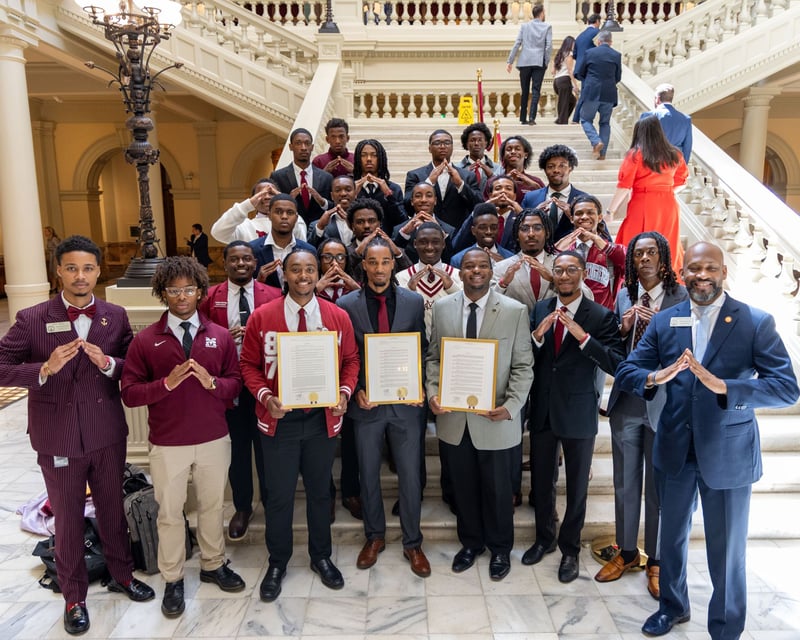
      The College’s pre-law program is based in our department, as is the College’s nationally-renowned Moot Court team . Preparation for graduate school, especially law school, has always been a principal departmental objective.  Our placement record is a testament to this, as our students continue to be admitted to top Ph.D. programs and law schools, and Morehouse remains the nation’s top feeder school for Black male law students. 
    • Earn the Major

      Curriculum

      Major Course of Study Requirements

      To graduate with a major in political science, a student must complete 43 credit hours distributed as follows. Students must earn a grade of C or better for all major courses. The core consists of HPSC 228 Comparative Politics, HPSC 251 National Government of the United States, HPSC 253 Scope and Methods in Political Science, HPSC 253L Scope and Methods Data Lab, HPSC 285 Introduction to International Relations, HPSC 294 Introduction to Political Theory, HPSC 348 American Constitutional Law, HPSC 497 Senior Seminar in Political Science, HECO 201 Macroeconomics and HECO 202 Microeconomics. In addition, there are 12 hours of electives and three hours of a special skills course that are required for completion of the major.

      General Education (Core)
      33-48 hours

      Refer to the general education requirements for more information.

      Political Science Major
      42 hours

      Core Curriculum

      • HPSC 228— 
        Comparative Politics
      • HPSC 251—  National Government of the United States
      • HPSC 253—  Scope and Methods in Political Science
      • HPSC 253L—  Scope and Methods Data Lab
      • HPSC 285—  Introduction to International Relations
      • HPSC 294—  Introduction to Political Theory
      • HPSC 348—  American Constitutional Law
      • HPSC 497—  Senior Seminar in Political Science

      Cognate Courses

      • HECO 201—  Macroeconomics
      • HECO 202—  Microeconomics

      Special Skills Requirement (choose one course)

      • HCOM 253—  Public Speaking
      • HCOM 351—  Professional Communication
      • HCOM 352—  Communication in Small Groups and Teams
      • HCOM 354—  Intercultural Communication
      • HCOM 355—  Argumentation and Debate

      Approved Electives

      Each student is required to choose four upper-level courses. These courses can come from any subject area: American government and politics, comparative politics, international relations, and political theory. Students may take only one of these four courses outside of the department—whether through cross-registration, study abroad, or transfer. Directed study and internships do not count as one of these courses. HPSC 351—  Introduction to Moot Court does count as one of these courses. HPSC 354—  Moot Court Skills Practicum does not count as one of these courses.

      American Government and Politics

      • HPSC 321—  The American Presidency
      • HPSC 322—  The American Congress
      • HPSC 350—  Race and Law
      • HPSC 351—  Introduction to Moot Court
      • HPSC 371—  Introduction to Public Management
      • HPSC 372—  Urban Management and Policy Analysis
      • HPSC 410—  Political Parties, Elections, and Interest Groups
      • HPSC 411—  Financial Management in Local Government
      • HPSC 429—  Seminar in Policy and Urban Politics
      • HPSC 460—  Black Politics

      Comparative Politics

      • HPSC 302—  Third World Politics
      • HPSC 475—  Latin American Politics
      • HPSC 476—  Political Anthropology
      • HPSC 477—  Contemporary African Politics
      • HPSC 486—  Political Ideologies

      International Relations

      • HPSC 385—  Theories of International Relations
      • HPSC 468—  Seminar on International Security after the Cold War
      • HPSC 479—  Comparative Foreign Policy
      • HPSC 482—  International Ethics
      • HPSC 484—  International Law
      • HPSC 487—  International Organizations
      • HPSC 488—  International Political Economy
      • HPSC 489—  Problems of International Politics
      • HPSC 490—  Conflict and Conflict Resolution
      • HPSC 491—  Diplomacy

      Political Theory

      • HPSC 361—  Ethics and Public Policy
      • HPSC 461—  History of Political Thought
      • HPSC 462—  Modern Political Theory
      • HPSC 463—  Contemporary Theories of Justice
      • HPSC 464—  Black Political Thought
      • HPSC 482—  International Ethics
      • HPSC 486—  Political Ideologies
    • Earn the Minor

      Curriculum

      MINOR IN POLITICAL SCIENCE

      Students electing to minor in political science must complete 18 hours in the discipline with no grade less than C. The following courses constitute the minor:

      • PSC 228—  Comparative Politics
      • PSC 251—  National Government of the United States
      • PSC 253—  Scope and Methods in Political Science
      • PSC 285—  Introduction to International Relations
      • PSC 294—  Introduction to Political Theory
      • One elective course in political science

    Coursework in political science was initiated in 1948 by the late Dr. Robert Brisbane, who sought to augment a traditional political science curriculum with an emphasis on more engaged teaching, learning, and scholarship. “Black Protest” was Dr. Brisbane’s signature course, which inspired generations of political science graduates in the Morehouse tradition of service and leadership. We carry forth Dr. Brisbane’s legacy from our First-Year Experience general education course, “Politics and Protest,” through our elective offerings on subjects including Black political thought and African politics to our senior seminar, which gives students an opportunity to develop independent research.

    The College’s pre-law program is based in our department, as is the College’s nationally-renowned Moot Court team . Preparation for graduate school, especially law school, has always been a principal departmental objective.  Our placement record is a testament to this, as our students continue to be admitted to top Ph.D. programs and law schools, and Morehouse remains the nation’s top feeder school for Black male law students. 

    Curriculum

    Major Course of Study Requirements

    To graduate with a major in political science, a student must complete 43 credit hours distributed as follows. Students must earn a grade of C or better for all major courses. The core consists of HPSC 228 Comparative Politics, HPSC 251 National Government of the United States, HPSC 253 Scope and Methods in Political Science, HPSC 253L Scope and Methods Data Lab, HPSC 285 Introduction to International Relations, HPSC 294 Introduction to Political Theory, HPSC 348 American Constitutional Law, HPSC 497 Senior Seminar in Political Science, HECO 201 Macroeconomics and HECO 202 Microeconomics. In addition, there are 12 hours of electives and three hours of a special skills course that are required for completion of the major.

    General Education (Core)
    33-48 hours

    Refer to the general education requirements for more information.

    Political Science Major
    42 hours

    Core Curriculum

    • HPSC 228— 
      Comparative Politics
    • HPSC 251—  National Government of the United States
    • HPSC 253—  Scope and Methods in Political Science
    • HPSC 253L—  Scope and Methods Data Lab
    • HPSC 285—  Introduction to International Relations
    • HPSC 294—  Introduction to Political Theory
    • HPSC 348—  American Constitutional Law
    • HPSC 497—  Senior Seminar in Political Science

    Cognate Courses

    • HECO 201—  Macroeconomics
    • HECO 202—  Microeconomics

    Special Skills Requirement (choose one course)

    • HCOM 253—  Public Speaking
    • HCOM 351—  Professional Communication
    • HCOM 352—  Communication in Small Groups and Teams
    • HCOM 354—  Intercultural Communication
    • HCOM 355—  Argumentation and Debate

    Approved Electives

    Each student is required to choose four upper-level courses. These courses can come from any subject area: American government and politics, comparative politics, international relations, and political theory. Students may take only one of these four courses outside of the department—whether through cross-registration, study abroad, or transfer. Directed study and internships do not count as one of these courses. HPSC 351—  Introduction to Moot Court does count as one of these courses. HPSC 354—  Moot Court Skills Practicum does not count as one of these courses.

    American Government and Politics

    • HPSC 321—  The American Presidency
    • HPSC 322—  The American Congress
    • HPSC 350—  Race and Law
    • HPSC 351—  Introduction to Moot Court
    • HPSC 371—  Introduction to Public Management
    • HPSC 372—  Urban Management and Policy Analysis
    • HPSC 410—  Political Parties, Elections, and Interest Groups
    • HPSC 411—  Financial Management in Local Government
    • HPSC 429—  Seminar in Policy and Urban Politics
    • HPSC 460—  Black Politics

    Comparative Politics

    • HPSC 302—  Third World Politics
    • HPSC 475—  Latin American Politics
    • HPSC 476—  Political Anthropology
    • HPSC 477—  Contemporary African Politics
    • HPSC 486—  Political Ideologies

    International Relations

    • HPSC 385—  Theories of International Relations
    • HPSC 468—  Seminar on International Security after the Cold War
    • HPSC 479—  Comparative Foreign Policy
    • HPSC 482—  International Ethics
    • HPSC 484—  International Law
    • HPSC 487—  International Organizations
    • HPSC 488—  International Political Economy
    • HPSC 489—  Problems of International Politics
    • HPSC 490—  Conflict and Conflict Resolution
    • HPSC 491—  Diplomacy

    Political Theory

    • HPSC 361—  Ethics and Public Policy
    • HPSC 461—  History of Political Thought
    • HPSC 462—  Modern Political Theory
    • HPSC 463—  Contemporary Theories of Justice
    • HPSC 464—  Black Political Thought
    • HPSC 482—  International Ethics
    • HPSC 486—  Political Ideologies

    Curriculum

    MINOR IN POLITICAL SCIENCE

    Students electing to minor in political science must complete 18 hours in the discipline with no grade less than C. The following courses constitute the minor:

    • PSC 228—  Comparative Politics
    • PSC 251—  National Government of the United States
    • PSC 253—  Scope and Methods in Political Science
    • PSC 285—  Introduction to International Relations
    • PSC 294—  Introduction to Political Theory
    • One elective course in political science

    More about our Pre-Law Program

    • Program Components

      History-Pre-Law-scaledPre-law includes three components: curriculum analysis, individualized advisement, and student activity.

      •    Curriculum analysis begins with the consideration of courses at Morehouse that will enhance the performance of the student on the Law School Admissions Test (LSAT), overall study during a three-year program at law school and passage of a state bar examination at the conclusion of law school.
      •    Individualized pre-law advising is the critical link between the student and entry into the field of law.
      •    Student activity promotes student involvement in all activities that sharpen communication, critical thinking, and analytical experience. These student activities at Morehouse now include Moot Court, debate, directed study, internship service and writing in the field of law. Any activity that may improve analytical writing and reading comprehension may also be included.
      •    Pre-law at Morehouse includes these elements: The Morehouse-Spelman Pre-Law Society, the Pre-Law Fraternity (Phi Alpha Delta), the Moot Court Team, and a Student Advisory Board
    • Recommended Courses

      It is strongly recommended that future law students take the following courses during their first three years at Morehouse:

      •    HENG 265 Advanced Composition
      •    HPHI 202 Critical Thinking
      •    HPHI 301 Formal Logic
      •    HPSC 348 American Constitutional Law

      Consistent with the goals of enhanced analytical thinking, it is recommended that a future law student, when possible, also take one or more of the following courses as well:

      •    HBUS 323 Comprehensive Business Law
      •    HENG 241 Literary Form
      •    HHIS 476 Seminar in Recent United States History
      •    HMTH 211 Introduction to Discrete Mathematics
      •    HPHI 20 Introduction to Philosophy
      •    HPSC 350 Race and Law
      •    HPSC 351 Introduction to Moot Court
      •    HPSC 385 Theories of International Relations
      •    HPSC 461 History of Political Thought
      •    HPSC 484 International Law
      •    HPSC 490 Conflict and Conflict Resolution
      •    HSOC 215 Criminology
      •    HSOC 307 History of Social Thought
      •    HSOC 407 Contemporary Sociological Theory
      •    HSOC 414 Political Sociology
      •    HSOC 416 Law and Society16 Law and Society

    History-Pre-Law-scaledPre-law includes three components: curriculum analysis, individualized advisement, and student activity.

    •    Curriculum analysis begins with the consideration of courses at Morehouse that will enhance the performance of the student on the Law School Admissions Test (LSAT), overall study during a three-year program at law school and passage of a state bar examination at the conclusion of law school.
    •    Individualized pre-law advising is the critical link between the student and entry into the field of law.
    •    Student activity promotes student involvement in all activities that sharpen communication, critical thinking, and analytical experience. These student activities at Morehouse now include Moot Court, debate, directed study, internship service and writing in the field of law. Any activity that may improve analytical writing and reading comprehension may also be included.
    •    Pre-law at Morehouse includes these elements: The Morehouse-Spelman Pre-Law Society, the Pre-Law Fraternity (Phi Alpha Delta), the Moot Court Team, and a Student Advisory Board

    It is strongly recommended that future law students take the following courses during their first three years at Morehouse:

    •    HENG 265 Advanced Composition
    •    HPHI 202 Critical Thinking
    •    HPHI 301 Formal Logic
    •    HPSC 348 American Constitutional Law

    Consistent with the goals of enhanced analytical thinking, it is recommended that a future law student, when possible, also take one or more of the following courses as well:

    •    HBUS 323 Comprehensive Business Law
    •    HENG 241 Literary Form
    •    HHIS 476 Seminar in Recent United States History
    •    HMTH 211 Introduction to Discrete Mathematics
    •    HPHI 20 Introduction to Philosophy
    •    HPSC 350 Race and Law
    •    HPSC 351 Introduction to Moot Court
    •    HPSC 385 Theories of International Relations
    •    HPSC 461 History of Political Thought
    •    HPSC 484 International Law
    •    HPSC 490 Conflict and Conflict Resolution
    •    HSOC 215 Criminology
    •    HSOC 307 History of Social Thought
    •    HSOC 407 Contemporary Sociological Theory
    •    HSOC 414 Political Sociology
    •    HSOC 416 Law and Society16 Law and Society

    MEET OUR FACULTY & STAFF

    The Political Science department is located in Wheeler Hall, 319.

    Andrew Douglas, Department Chair
    Cordney Smith, Sr Admin Support Specialist • Div. of Humanities
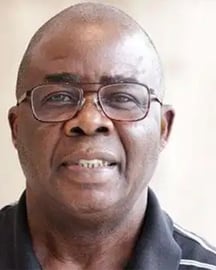
    Headshot of Ebenezer Aka
    Ebenezer Aka Professor
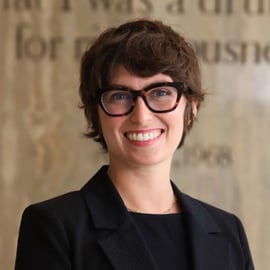
    Headshot of Alison Boehmer
    Alison Boehmer Assistant Professor
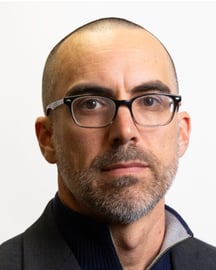
    Headshot of Andrew J. Douglas
    Andrew J. Douglas Professor/Department Chair
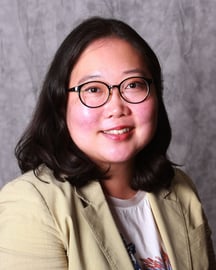
    Headshot of Hye Ryeon
    Hye Ryeon "Helen" Jang Assistant Professor
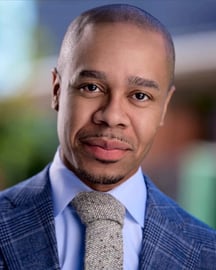
    Headshot of Winfield Murray
    Winfield Murray Instructor
    Director, Morehouse Moot Court Program
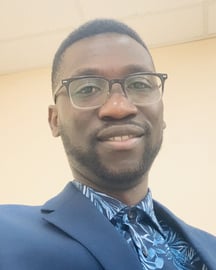
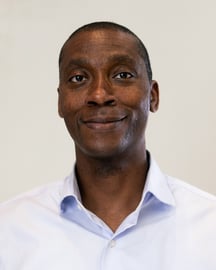
    Headshot of Maxwell Nimako
    Maxwell Nimako Assistant Professor
    Headshot of Matthew Platt
    Matthew Platt Associate Professor