
- About
- Academics
- Admissions & Aid
- Life
- Centers, Research & AI
- Centers
- Andrew Young Center for Global Leadership
- Martin Luther King Jr. Collection
- Center for Black Entrepreneurs
- Center for Broadening Participation in Computing
- Center for Excellence in Education
- Center for Sustainability
- Ida B Wells Society
- Innovation and Entrepreneurship Center
- Morehouse Writing Center
- Institutes
- Research at Morehouse
- AI at Morehouse
- Centers
- News & Events
- Open House
Home
> Academics
> Centers & institutes
> Martin luther king jr. collection
Martin Luther King Jr. Collection at Morehouse College
The Morehouse College Martin Luther King Jr. Collection represents much of Morehouse alumnus Martin Luther King Jr.’s life and work, spanning from 1944 to 1968.
Pillars of the
Martin Luther King Jr. Collection
We established the Office of the Morehouse College King Collection to oversee the conservation and preservation of the collection, to promote teaching, research, and scholarship, and to develop campus-based programming and community outreach initiatives that highlight the teachings and philosophy of Dr. Martin Luther King Jr.
Martin Luther King Jr. is a distinguished alumnus of Morehouse College and profoundly embodies the institution's commitment to producing leaders dedicated to service and social justice. King was mentored by influential figures such as Dr. Benjamin E. Mays, the college's sixth president, and a pivotal civil rights advocate.
Our welcoming environment cultivated Martin Luther King Jr.'s intellectual and moral development, laying the groundwork for his transformative role in the American civil rights movement. His legacy continues to inspire Morehouse students to pursue excellence and advocate for equality, reflecting the college's mission to develop men with disciplined minds who will lead lives of leadership and service.
Everything you will find below in the Martin Luther King Jr. Collection details his life and work that we proudly cherish here at Morehouse College.
About the Martin Luther King Jr. Collection
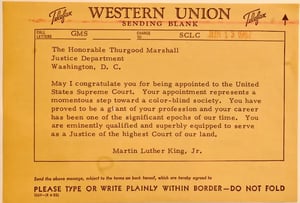
The Howard Gotlieb Archival Center at Boston University, the Martin Luther King Jr. Research and Education Institute at Stanford University, and the Morehouse King Collection established a collaborative partnership of King’s papers.
Learn more
.webp?length=300&name=KINGINSALE-1024x817%20(1).webp)
MLK at Morehouse
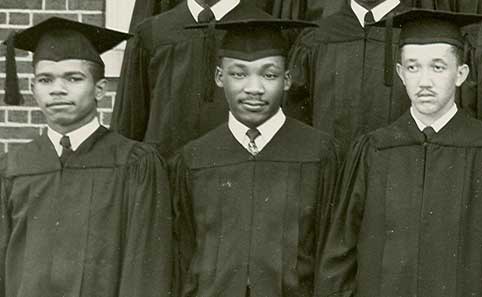
As an all black university, Morehouse College was fertile ground for the young Martin Luther King Jr., who entered the college as an early-admission student in 1944 at the age of 15.
Learn More

King Collection Program
Explore the legacy and teachings of Martin Luther King Jr. through Morehouse College's Martin Luther King Jr. Collection, where a diverse array of impactful programs and initiatives are curated to inspire critical conversations and foster a deeper understanding of Dr. King's profound contributions to social justice and equality.
Learn More
MLK References
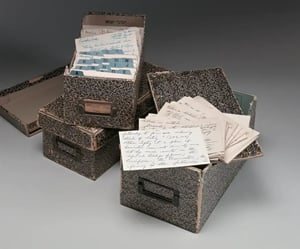
Get an oral history and additional resources on Dr. King's legacy. The Robert W. Woodruff Library at the Atlanta University Center houses the Morehouse College Martin Luther King Jr. Collection, offering scholars and the public access to Dr. King's personal papers and documents.
Learn More
Martin Luther King Jr. Commemoration
Learn More
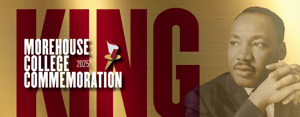
The Annual Morehouse College Martin Luther King, Jr. Commemoration is a multicultural experience designed to educate the world on his historical and contemporary impact, engage the global community on issues of equity, and celebrate his legacy.
Contact Information

Dr. Vicki Crawford
Endowed Chair and Director of the Morehouse Martin Luther King Jr. Collection
Professor of Africana Studies
(470) 639-0569
kingcollection@morehouse.edu
Professor of Africana Studies
(470) 639-0569
kingcollection@morehouse.edu
Mailing Address
Morehouse College
Martin Luther King Jr. Collection
Leadership Center
830 Westview Drive S.W.
Atlanta, Georgia 30314